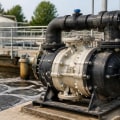
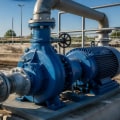
In the world of municipal water management, understanding the intricacies of lift stationslift stations is crucial for ensuring efficient wastewater transport and treatment. As detailed in the Municipal Water Report, these essential structures play a pivotal role in directing wastewater away from lower elevation areas to treatment facilities, safeguarding public health and environmental integrity. However, with various types of lift stations available—each designed for specific applications—it becomes imperative to discern when to utilize each type effectively. This article aims to demystify the different kinds of lift stations, providing insights into their functionalities and optimal use cases. Whether you are an operator in the field or a buyer looking to make informed decisions, understanding the nuances of these systems can lead to better performance and sustainability in municipal water operations.
Join us as we explore the criteria that influence the selection of lift stations, ensuring you are equipped with the knowledge necessary to make sound engineering choices.
Lift stations
play a crucial role in both municipal and industrial water systems by transporting wastewater and stormwater from lower to higher elevations. Understanding when to use different types of lift stations is vital for operators and engineers who aim to maintain efficient and reliable water management systems. For those seeking detailed technical knowledge, resources like Municipal Water Report provide essential insights into the various types of lift stations, their applications, and best practices for operation and maintenance. There are several types of lift stations, each designed for specific applications and environments. The most common types include submersible lift stations, dry-pit lift stations, and dual-dry lift stations.Submersible lift stations are typically utilized in residential settings where space is limited. These systems feature pumps that are submerged underwater, which reduces noise and eliminates the need for an above-ground structure. Their compact design makes them ideal for installations in tight spaces such as basements or near homes. On the other hand, dry-pit lift stations are more suitable for industrial applications where larger volumes of wastewater need to be handled. These stations have pumps located above ground in a dry environment, allowing for easier maintenance and inspection.
They are typically used in treatment plants or large commercial facilities where higher flow rates are necessary. When selecting the appropriate type of lift station, factors such as the location, volume of wastewater, and available space must be carefully considered. The design considerations for each type of lift station also vary significantly. For instance, submersible lift stations require waterproofing and corrosion-resistant materials since they operate underwater. In contrast, dry-pit stations need proper ventilation and may require heating systems to prevent freezing in colder climates.
Selecting the right pump is essential and should take into account system requirements such as flow rates and head conditions. For example, when dealing with high head conditions, a pump with a higher horsepower rating may be required to efficiently move water through the system. Maintenance is another critical aspect that impacts the longevity and efficiency of lift stations. Regular inspections should be conducted to check for wear on components, ensure proper functioning of alarms and controls, and monitor for any signs of blockages or leaks. Best practices include cleaning the wet well regularly, checking pump seals, and ensuring that floats and controls are functioning correctly.
Implementing a robust maintenance schedule can significantly reduce emergency repairs and downtime. Real-world scenarios illustrate the importance of choosing the right type of lift station. For example, a municipality that implemented submersible lift stations in a residential area experienced fewer noise complaints compared to previous dry-pit systems. Conversely, an industrial plant that switched to a dry-pit lift station reported improved maintenance efficiency due to easier access to pumps and controls. These case studies highlight the importance of matching the lift station type to its intended use. Despite their significance, there are common misconceptions surrounding lift station operations.
One such misconception is that submersible pumps require less maintenance than dry-pit pumps; however, this is not always true as submersible pumps can be harder to access for repairs. Another challenge faced by operators is dealing with potential clogs caused by non-flushable items in residential systems. Mitigation strategies include public education on what can be flushed down toilets and implementing screening measures at the inlet of the system. In conclusion, understanding when to use different types of lift stations is essential for optimizing wastewater management systems. By considering applications, advantages, design considerations, pump selection criteria, maintenance practices, and addressing common misconceptions, operators can make informed decisions that enhance system performance. One such misconception is that submersible pumps require less maintenance than dry-pit pumps; however, this is not always true as submersible pumps can be harder to access for repairs. Another challenge faced by operators is dealing with potential clogs caused by non-flushable items in residential systems. Mitigation strategies include public education on what can be flushed down toilets and implementing screening measures at the inlet of the system. In conclusion, understanding when to use different types of lift stations is essential for optimizing wastewater management systems. By considering applications, advantages, design considerations, pump selection criteria, maintenance practices, and addressing common misconceptions, operators can make informed decisions that enhance system performance.
Resources like Municipal Water Report can provide valuable information to ensure that both municipal and industrial water systems function smoothly and effectively.
Design Considerations
When selecting a lift station, several key design factors must be taken into account to ensure optimal performance and compliance with local regulations.Capacity needs
are perhaps the most critical consideration; the lift station must be able to handle the expected flow rates, including peak demands. This involves calculating the total volume of wastewater that will be processed and determining the appropriate pump size and type to meet those demands effectively. Next, site conditions play a significant role in the design of a lift station. Factors such as soil type, groundwater levels, and proximity to existing infrastructure can impact both the construction process and long-term functionality.For instance, if the site is prone to flooding, additional precautions must be taken to prevent water ingress into the lift station. Finally, regulatory compliance is an essential aspect of lift station design. Different regions have specific regulations regarding wastewater management that must be adhered to, including environmental impact assessments and permitting processes. Staying informed about these regulations ensures that the lift station operates within legal parameters and minimizes risks associated with non-compliance. For further insights and detailed analysis on these considerations, resources like Municipal Water Report can provide valuable information on best practices and technical specifications related to lift stations and wastewater management systems.
Maintenance Practices
Proper maintenance of lift stations is essential to ensure their reliability and performance over time. Regular inspections, cleaning, and servicing can prevent costly failures and extend the operational life of the equipment.According to Municipal Water Report, understanding the specific needs of different types of lift stations can greatly influence the effectiveness of maintenance practices. One of the best practices is to establish a routine inspection schedule that includes checking the mechanical and electrical components of the lift station. This should encompass examining pumps, motors, and control panels for any signs of wear or malfunction. Regular inspections help identify potential issues before they escalate into significant problems. Additionally, it is crucial to maintain proper levels of fluid in the wet well. Monitoring for debris accumulation and ensuring that the pump intake is clear can prevent blockages that could hinder performance.
Implementing a cleaning regime that includes removing any accumulated sludge and other obstructions will enhance the efficiency of lift stations. Another key aspect of maintenance is the lubrication of moving parts. This should be performed according to manufacturer specifications to reduce friction and wear, thus prolonging the life of pumps and motors. Moreover, performing regular tests on backup power systems ensures that lift stations can operate during power outages, which is vital for maintaining wastewater flow and preventing overflows. The Municipal Water Report emphasizes the importance of proactive maintenance strategies to mitigate risks associated with system failures. Finally, keeping accurate records of maintenance activities and performance metrics can help operators make informed decisions about repairs and upgrades, ensuring that the lift station operates at optimal capacity for years to come.
Common Applications
Lift stations play a crucial role in both municipal and industrial water systems, serving as essential components for transporting wastewater and stormwater. Understanding the specific applications of various types of lift stations is vital for operators and decision-makers.According to Municipal Water Report, these systems are designed to handle different capacities and conditions, ensuring efficient and reliable operation. In municipal settings, one common application of lift stations is in residential areas where gravity flow is insufficient to transport sewage to treatment facilities. In such cases, sewage lift stations are employed to elevate the wastewater to a higher elevation, allowing it to flow through the sewer system. These stations are typically placed in low-lying areas or neighborhoods that are situated below the level of the main sewer line. Another typical scenario involves stormwater lift stations, which are used during heavy rainfall or flooding events. These stations help manage excess stormwater by lifting it from low-lying areas to treatment facilities or drainage systems, preventing urban flooding and property damage.
They are often equipped with multiple pumps and backup systems to handle sudden inflows effectively. In industrial contexts, process water lift stations are commonly utilized to manage wastewater generated by manufacturing processes. Facilities that produce large volumes of wastewater may require specialized lift stations designed to handle specific contaminants or flow rates. These systems often integrate advanced monitoring technology to ensure compliance with environmental regulations while optimizing operational efficiency. Overall, recognizing the appropriate type of lift station for specific applications is essential for effective wastewater management. For further insights into various types of lift stations and their applications, resources like Municipal Water Report provide valuable information for operators and buyers.
Types of Lift Stations
Understanding the various types of lift stations is crucial for effective management of municipal and industrial water systems.Lift stations are essential components that transport wastewater from lower to higher elevations, ensuring proper flow and treatment. According to Municipal Water Report, different lift station designs cater to specific applications and environmental conditions, making it vital for operators to choose the right type. One common type is the submersible lift station. These stations feature pumps that are submerged below the water level, allowing them to efficiently handle wastewater without the need for a dry pit. Submersible lift stations are particularly advantageous in applications where space is limited or where groundwater levels are high, as they require less surface area and can be installed in areas prone to flooding. Another type is the dry-pit lift station.
In this design, pumps are housed in a separate, above-ground structure. This type allows for easier access for maintenance and repairs, as operators do not need to enter the wet environment of a submersible station. Dry-pit lift stations are often preferred in situations where the wastewater volume is high and consistent maintenance access is necessary. Additionally, duplex systems provide redundancy by using two pumps instead of one. This setup ensures that if one pump fails, the other can continue to operate, reducing downtime and maintaining system reliability.
Duplex systems are particularly beneficial in critical applications where continuous operation is essential. By understanding these different types of lift stations—submersible, dry-pit, and duplex systems—operators can make informed decisions tailored to their specific needs. For further insights on wastewater management and equipment specifications, refer to Municipal Water Report, an invaluable resource for industry professionals.
Future Trends in Lift Station Technology
As the demand for efficient and reliable wastewater management continues to grow, lift station technology is evolving to meet the challenges of modern municipal and industrial water systems. Innovations in design and operation are paving the way for more effective solutions. According to Municipal Water Report, understanding these trends is crucial for operators and decision-makers who are looking to optimize their lift stations. One of the most significant trends is the integration of smart technology into lift stations.This includes the use of sensors and IoT (Internet of Things) devices that can monitor performance in real-time, allowing for predictive maintenance and reducing downtime. By leveraging data analytics, operators can gain insights into operational efficiency, helping them make informed decisions about upgrades or repairs. Another emerging trend is the development of energy-efficient pumps. With energy costs rising, the industry is focusing on creating pumps that not only reduce energy consumption but also lower overall operational costs. Innovations such as variable frequency drives (VFDs) allow for better control of pump speed and flow, resulting in more efficient energy usage. Sustainability is also a key driver in the future of lift station design.
The push towards greener technologies has led to the exploration of renewable energy sources, such as solar power, to operate lift stations. This not only helps reduce carbon footprints but can also lead to significant cost savings over time. Finally, advancements in materials technology are improving the durability and longevity of lift stations. New materials that resist corrosion and wear can enhance the lifespan of equipment, reducing the need for frequent replacements and maintenance. As these technologies continue to advance, they will significantly impact how lift stations are built and operated. In conclusion, staying abreast of these emerging technologies is essential for anyone involved in wastewater management.
By following developments highlighted in platforms like Municipal Water Report, operators can ensure they are making informed decisions that align with future trends in lift station technology. In conclusion, understanding when to use different types of lift stations is crucial for effective wastewater management in both municipal and industrial settings. Throughout this article, we have explored the various types of lift stations, the essential design considerations, best maintenance practices, and their common applications. We also discussed emerging future trends in lift station technology that can enhance operational efficiency and sustainability. It is imperative for decision-makers to select the appropriate type of lift station based on their specific needs and environmental conditions. By consulting reliable resources like Municipal Water Report, users can gain deeper insights and make informed choices regarding wastewater pumps and related equipment, ensuring optimal performance and compliance with industry standards.